
I work with a small number of founder-led businesses as their creative partner. Before that, twenty years of directing.
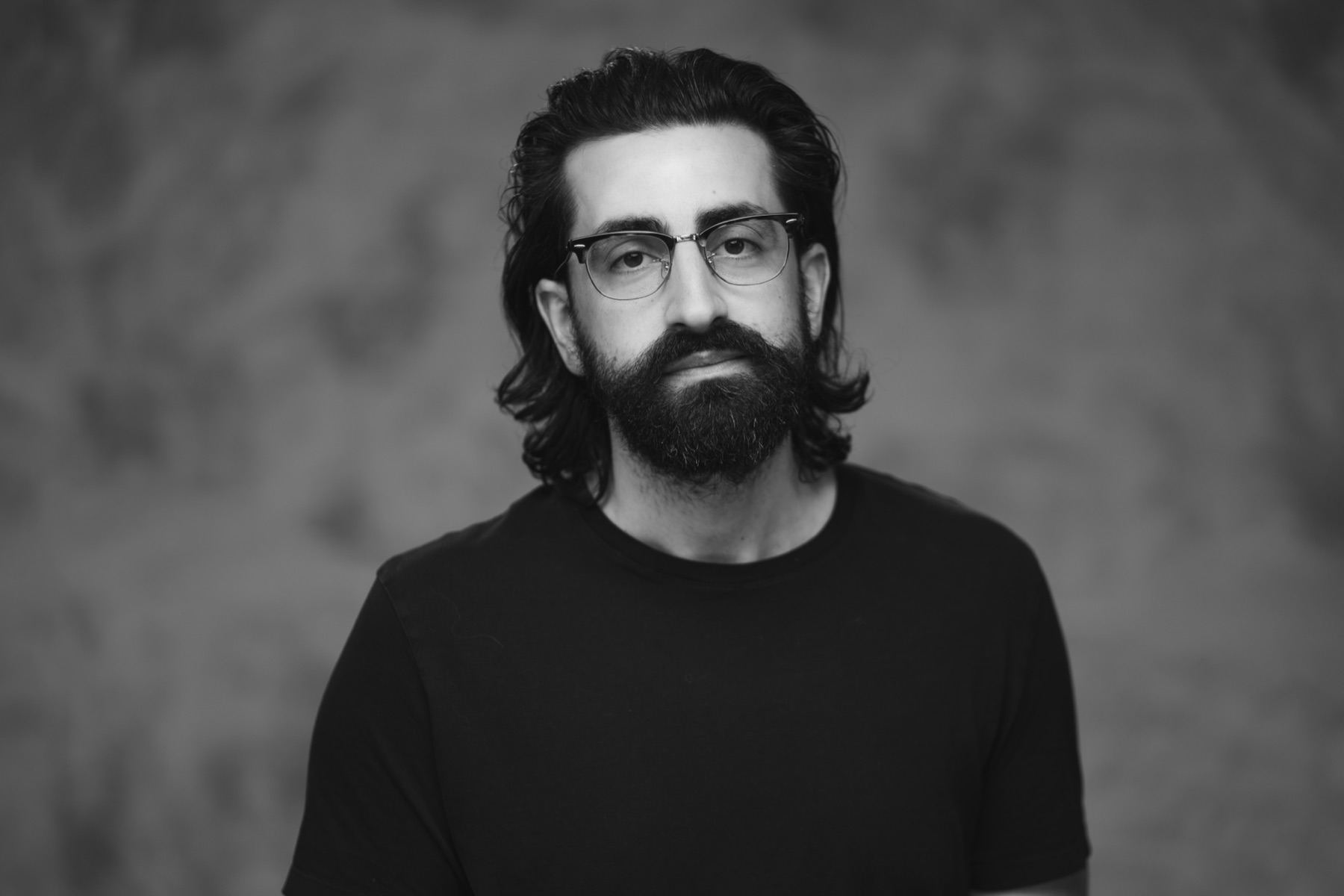
I started at sixteen, producing at BBC Radio 1 and 1Xtra, and working on internal communications for the BBC, which meant sitting with senior leadership in my teens and learning how to turn what executives mean into something a team can actually make.
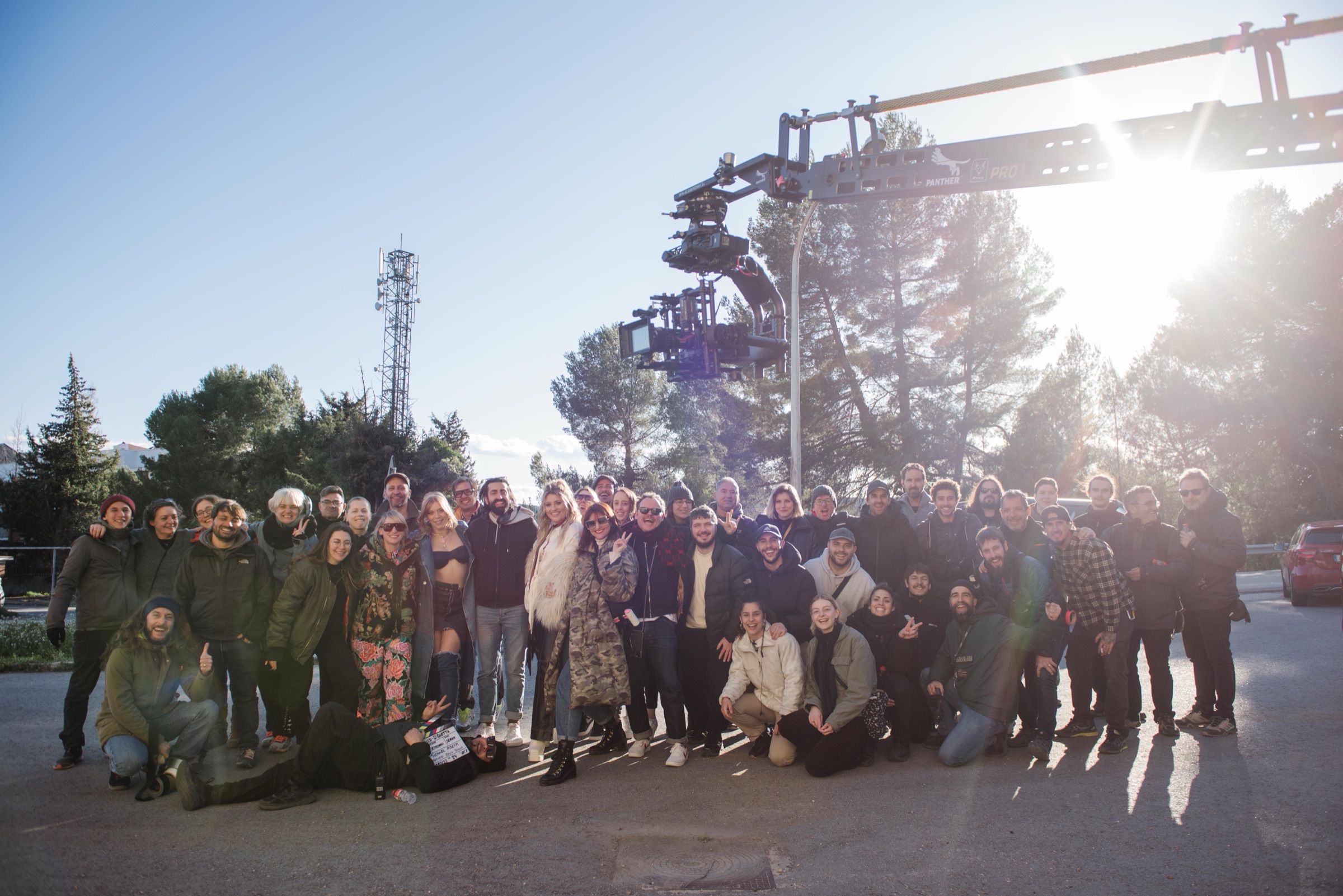
From there, music and commercials. Music videos in Vietnam, productions in Bollywood and Japan, work for Sam Smith, Rudimental, David Guetta and Becky Hill, campaigns for Apple, Barclays, Beats and Amazon, among others. Views north of half a billion.
Alongside the directing, I spent years in artist development, shaping early work into packages that helped acts land six and seven figure record deals. Not filming what already existed. Building the thing that made someone worth signing. I've mentored filmmakers too, some of whom are now considerably bigger than me.
For a long time I thought I was being hired to direct films. I was actually being hired to make creative decisions.
I was more interested in the business than the entertainment. I still love making the work. What I enjoy most now is tying it to something real: a product, a revenue line, a direction the business is actually trying to go. The business I've worked with longest grew its revenue tenfold over five years.
My role was never just to make films. I shaped the positioning, built the creative team, raised the standard, and made sure every piece of work served where the business was heading.
Founders are pulled in every direction. Sales, finance, hiring, operations, growth, and somehow the creative side as well. Most don't need another agency. They need someone they trust to own that part of the business.
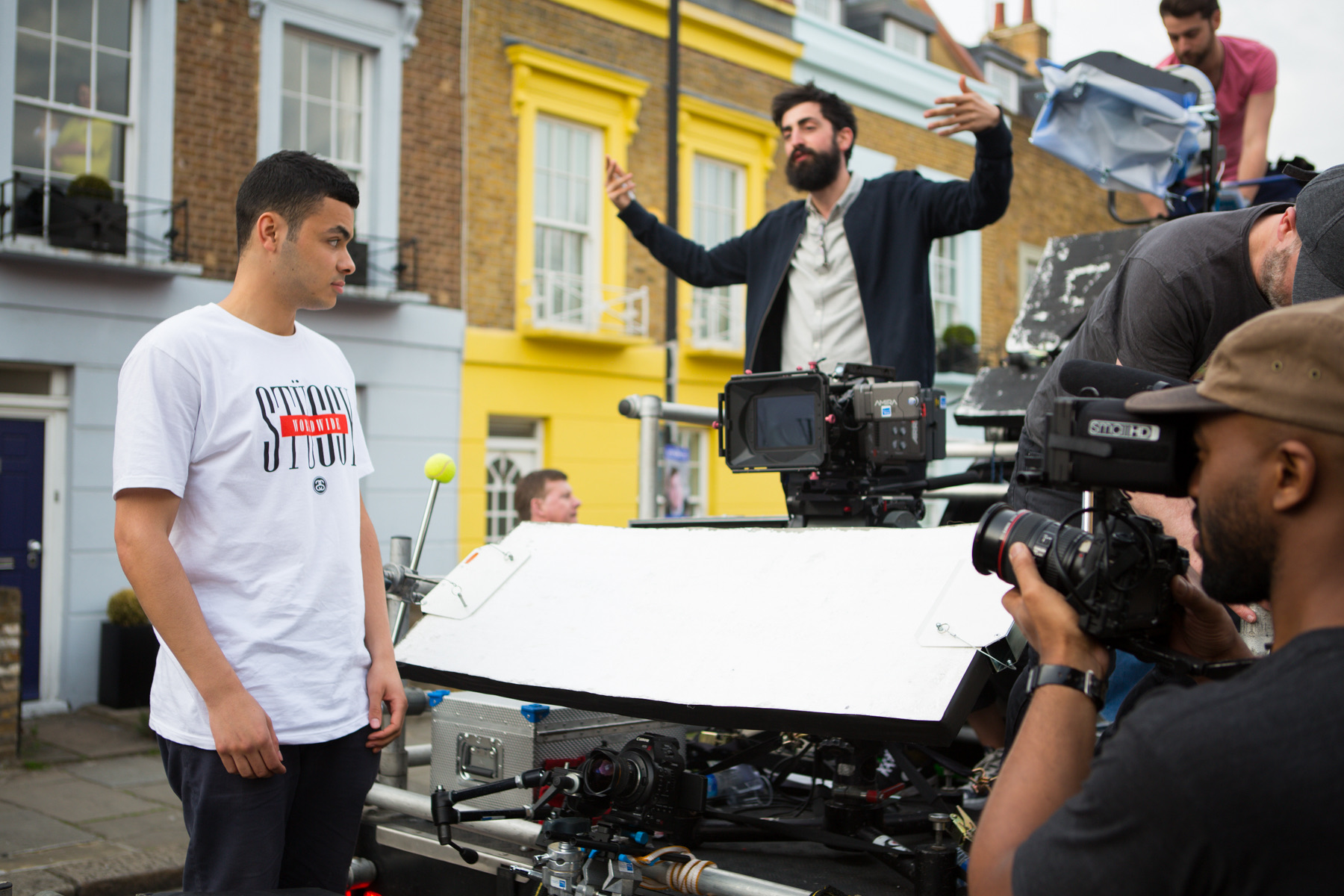
The pattern I see constantly: the people at the top know exactly what they want, but by the time it reaches the team it's half formed, misread or diluted. The team then make something perfectly competent that answers the wrong brief. Nobody has done anything wrong and everybody is frustrated. A lot of my job is standing in that gap, and being honest when the idea itself is the problem.
I know what good looks like, and I'll tell you when something isn't.
Most people who advise founders on creative work have never made any. Most people who make it won't tell a founder when the idea is wrong. Doing both is the job.
That's the work I do.
Get in touch